Major Arcana
The HierophantTarot card meaning
- tradition
- guidance
- conformity
- institutions
The Hierophant upright
Established wisdom, mentorship, or tradition offers a solid path forward right now. Learning from proven systems serves you well.
In a yes or no tarot reading: Leaning yes
The proven, conventional route works in your favor. Yes — if you follow the established path or ask someone who knows it well.
The Hierophant reversed
You're chafing against convention or rejecting guidance that no longer fits. It's time to question the rules rather than follow them blindly.
In a yes or no tarot reading: Leaning no
The expected answer doesn't fit this situation. What you're asking about may need a less conventional approach than the one you're considering.
See what The Hierophant says about your situation.
The Hierophant is the card of the teacher, the tradition and the institution. Schools, religions, professions, families with their own way of doing things. Anywhere knowledge gets handed down from someone who learned it to someone who's learning.
People often find it the least exciting card in the Major Arcana, and it can feel a bit stiff. But most of what you know, you were taught. This card asks you to look at what you've inherited, keep what serves you, and be honest about what doesn't.
What the Hierophant card shows
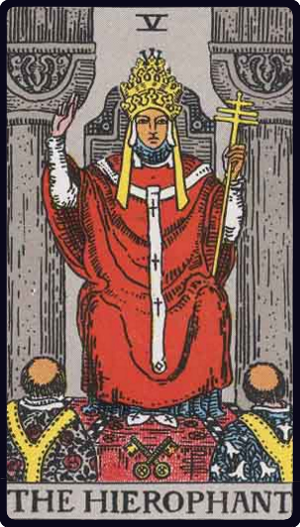
A religious figure in a red robe and a tall triple crown sits between two grey pillars. His right hand is raised in blessing, and his left holds a staff topped with a triple cross. Two crossed keys lie at his feet. In front of him kneel two followers with shaved crowns, one robe patterned with roses and the other with lilies.
The keys are the clearest symbol on the card. Keys open doors, and here someone else holds them. Much of the card is about that arrangement: access to knowledge or belonging that comes through a person or a group, on their terms.
Why he isn't called the Pope
In the older Tarot de Marseille this card is Le Pape, the Pope, and the High Priestess is La Papesse. The Rider-Waite-Smith deck renamed him the Hierophant, from a Greek word for a priest who revealed sacred things to new initiates in ancient Greece.
The new name widened the card. It isn't about one church. It's about any system that has a gatekeeper, a set of teachings and a way in. Your university, your company, your grandmother's kitchen rules and a twelve-step group can all be Hierophant territory.
The Hierophant upright: learn from what already works
Upright, it suggests following the proven path for now. Take the course. Find a mentor. Do it the way people who succeeded before you did, at least until you understand why they did it that way. There's no prize for reinventing something that already exists.
It can also point to belonging. Joining a community, a team or a faith, and finding comfort in shared values and rituals. Not every answer has to be worked out alone.
The Hierophant reversed: questioning the rules
Reversed, the fit has gone. A rule you've followed for years stops making sense. A teacher or institution you trusted lets you down. Or you notice you're doing things a certain way only because your family always did.
This isn't a bad card to get. Some of the most important changes people make start here. The reversed Hierophant asks you to think for yourself, which is different from rejecting everything at once. Keep the parts of the tradition you still believe in.
The Hierophant in love
In love, this is the commitment card in the traditional sense. Marriage, engagement, meeting the family, a relationship that the people around you recognise and support. If you want something conventional and lasting, it's a good sign.
It also asks about values. Do you share beliefs about money, religion, children and how a household should run? Reversed, those differences are the issue. It can also mean a relationship that doesn't follow the usual script, and that's fine, as long as both people agree on the script you're writing instead.
What they feel, according to the Hierophant
Respect, and serious intentions. They likely see you as someone to build something proper with, the kind of person they'd introduce to their parents. Reversed, they may feel held back by expectations, theirs or their family's, or unsure that you fit the life they were told to want.
The Hierophant in career and study
This is a strong card for education, training, qualifications and working inside established organisations. Exams, apprenticeships, a structured graduate scheme, a job at a big institution. A mentor's advice is worth more than usual right now.
With money, it favours the boring, sensible route: a pension, a bank you trust, advice from a qualified professional. Reversed, you may be ready to step outside the system and do your own thing, or you're questioning advice you've followed without thinking.
The Hierophant as advice
Find someone who has already done what you're trying to do and listen to them. Then decide which of their rules you'll keep.
Cards to read alongside The Hierophant
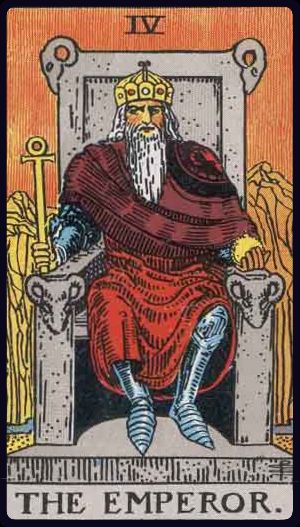
The Emperor. The card before. The Emperor's rules are about control and order. The Hierophant's are about meaning and belonging.
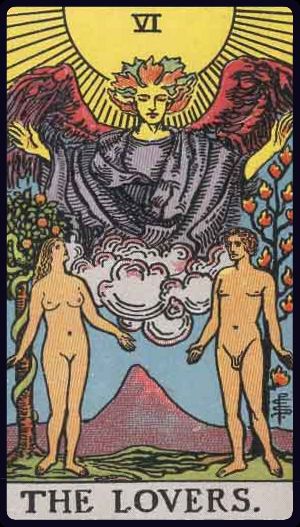
The Lovers. The card after. The Hierophant is the path others lay out for you. The Lovers is the choice you make for yourself.
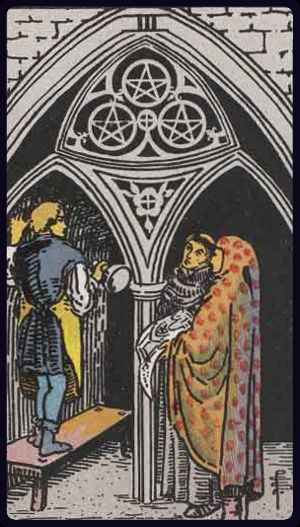
Three of Pentacles. Learning a craft alongside other people: the Hierophant's teaching, put to work in a team.
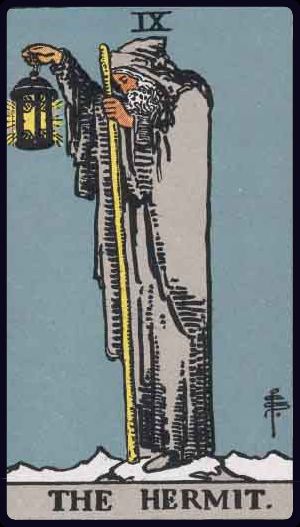
The Hermit. Wisdom found alone, where the Hierophant's is taught in a group. Many people need one before the other.
The Hierophant tarot card questions
- What does the Hierophant tarot card mean?
- The Hierophant stands for tradition, guidance, conformity, and institutions. Established wisdom, mentorship, or tradition offers a solid path forward right now. Learning from proven systems serves you well.
- What does the Hierophant mean in love?
- Commitment in the traditional sense: marriage, shared values, or a relationship your family and community recognize. Reversed, it points to breaking with convention, or values that don't match.
- Is the Hierophant a yes or no card?
- Upright, the Hierophant is a leaning yes. The proven, conventional route works in your favor. Yes — if you follow the established path or ask someone who knows it well. Reversed, it's a leaning no.
- What does the Hierophant reversed mean?
- You're chafing against convention or rejecting guidance that no longer fits. It's time to question the rules rather than follow them blindly.